খাদ পাউডার একটি একক পণ্য বিভাগ নয়। যখন একটি রক্ষণাবেক্ষণ দলের একটি জীর্ণ রোলার পুনর্নির্মাণের প্রয়োজন হয় বা একটি ডিজাইন ইঞ্জিনিয়ার একটি জারা-প্রতিরোধী আবরণ নির্দিষ্ট করে, তখন সিদ্ধান্তটি সাধারণত একটি প্রশ্ন দিয়ে শুরু হয়: কোন খাদ পাউডার প্রকৃত পরিষেবার শর্তে প্রয়োজনীয় কঠোরতা এবং রাসায়নিক প্রতিরোধ প্রদান করবে? এই প্রশ্নের উত্তর দেওয়ার সবচেয়ে নির্ভরযোগ্য উপায় হল প্রথমে লক্ষ্য কর্মক্ষমতা নির্ধারণ করা, তারপরে রচনা, কণার আকার বিতরণ এবং পাউডারের অক্সিজেন সামগ্রীতে পিছনের দিকে কাজ করা। এই পদ্ধতিটি ব্যয়বহুল ব্যর্থতাগুলি এড়ায় যা ঘটে যখন একটি পাউডার ডেটার পরিবর্তে অভ্যাস দ্বারা বেছে নেওয়া হয়।
অ্যালয় পাউডার কী এবং কেন এটি গুরুত্বপূর্ণ
খাদ গুঁড়ো সূক্ষ্মভাবে বিভক্ত কঠিন কণা দুটি বা ততোধিক ধাতব উপাদান গলে এবং পরমাণু তৈরি করে। খাঁটি ধাতব পাউডার থেকে অ্যালোয়িং স্টেপই তাদের আলাদা করে: নিকেল, কোবাল্ট, ক্রোমিয়াম, টাংস্টেন এবং লোহার মতো উপাদানগুলির সংমিশ্রণ এমন বৈশিষ্ট্য তৈরি করে যা কোনও একক উপাদান প্রদান করতে পারে না। শিল্প অনুশীলনে, খাদ পাউডার লেজার ক্ল্যাডিং, তাপ স্প্রে, স্প্রে ওয়েল্ডিং, ধাতু সংযোজন উত্পাদন এবং পাউডার ধাতুবিদ্যার কাঁচামাল হিসাবে কাজ করে। চূড়ান্ত অংশটি একটি নতুন উপাদান বা মেরামত করা পৃষ্ঠ হতে পারে, তবে উভয় ক্ষেত্রেই পাউডার নির্ধারণ করে যে সমাধানটি উচ্চ-তাপমাত্রা, ঘষিয়া তুলিয়া ফেলিতে সক্ষম বা ক্ষয়কারী পরিবেশে টিকে আছে কিনা।
পাউডার রসায়ন প্রথম সিদ্ধান্ত বিন্দু. নিকেল-ভিত্তিক পাউডার, উদাহরণস্বরূপ, উচ্চ তাপমাত্রায় জারণ এবং ক্ষয় প্রতিরোধ করে, এই কারণেই তারা গ্যাস টারবাইন মেরামত এবং ক্ষয়-প্রতিরোধী ওভারলেতে ব্যাপকভাবে ব্যবহৃত হয়। কোবাল্ট-ভিত্তিক সংকর ধাতুগুলি চমৎকার গরম কঠোরতা এবং পরিধান প্রতিরোধের অফার করে, এগুলি ভালভ, ডাইস এবং স্লাইডিং পরিধানের সংস্পর্শে আসা উচ্চ-তাপমাত্রার উপাদানগুলির জন্য একটি সাধারণ পছন্দ করে তোলে। আয়রন-ভিত্তিক পাউডারগুলি মাঝারি পরিধানের অবস্থার জন্য একটি ব্যয়-কার্যকর বিকল্প প্রদান করে, যখন তামা-ভিত্তিক পাউডারগুলি পরিস্রাবণ মিডিয়া এবং ভারবহন পৃষ্ঠগুলিতে তাপ পরিবাহিতা এবং লুব্রিসিটি নিয়ে আসে। টংস্টেন কার্বাইড যৌগিক পাউডারগুলি চরম ঘর্ষণ প্রতিরোধের যোগ করে এবং সাধারণত তাপ স্প্রে প্রয়োগের জন্য একটি ধাতব বাইন্ডারের সাথে মিশ্রিত হয়।
কোর অ্যালয় পাউডার পরিবার এবং তাদের অ্যাপ্লিকেশন
বেস উপাদান নির্বাচন করা হলে, পরবর্তী ধাপ হল প্রক্রিয়া এবং প্রত্যাশিত পরিষেবা লোডের সাথে পাউডার গ্রেডের মিল করা। নীচের সারণীটি সারফেস ইঞ্জিনিয়ারিং এবং কম্পোনেন্ট ম্যানুফ্যাকচারিংয়ে ব্যবহৃত সবচেয়ে সাধারণ অ্যালয় পাউডার পরিবারগুলির তুলনা করে।
| পাউডার পরিবার | মূল বৈশিষ্ট্য | সাধারণ ব্যবহার | নির্বাচন নোট |
|---|---|---|---|
| নিকেল-ভিত্তিক | উচ্চ তাপমাত্রায় জারা প্রতিরোধের, ভাল অক্সিডেশন প্রতিরোধের | লেজার ক্ল্যাডিং, স্প্রে ওয়েল্ডিং, গ্যাস টারবাইনের উপাদান | উচ্চ-তাপমাত্রার শক্তির জন্য অক্সিজেন সামগ্রী দেখুন |
| কোবাল্ট-ভিত্তিক | গরম কঠোরতা, পরিধান প্রতিরোধের, মাঝারি জারা প্রতিরোধের | ভালভ আসন, মারা, উচ্চ পরিধান অংশ | উচ্চ খরচ; প্রভাব প্রতিরোধের যাচাই করুন |
| লোহা-ভিত্তিক | খরচ-কার্যকর, মাঝারি তাপমাত্রায় ভাল পরিধান প্রতিরোধের | রোলার, মেশিনের যন্ত্রাংশ, শ্যাফ্ট পরেন | তীব্র গরম জারা জন্য না |
| তামা-ভিত্তিক | তাপ পরিবাহিতা, লুব্রিসিটি, জারা প্রতিরোধের | পরিস্রাবণ, bearings, পৃষ্ঠ আবরণ | নরম ম্যাট্রিক্স; ভারী ঘষিয়া তুলিয়া ফেলিতে সক্ষম পরিধান এড়াতে |
| টংস্টেন কার্বাইড কম্পোজিট | চরম কঠোরতা, ঘর্ষণ প্রতিরোধের | রোলার, শ্যাফ্টের জন্য তাপীয় স্প্রে আবরণ | যত্নশীল বাইন্ডার নির্বাচন প্রয়োজন |
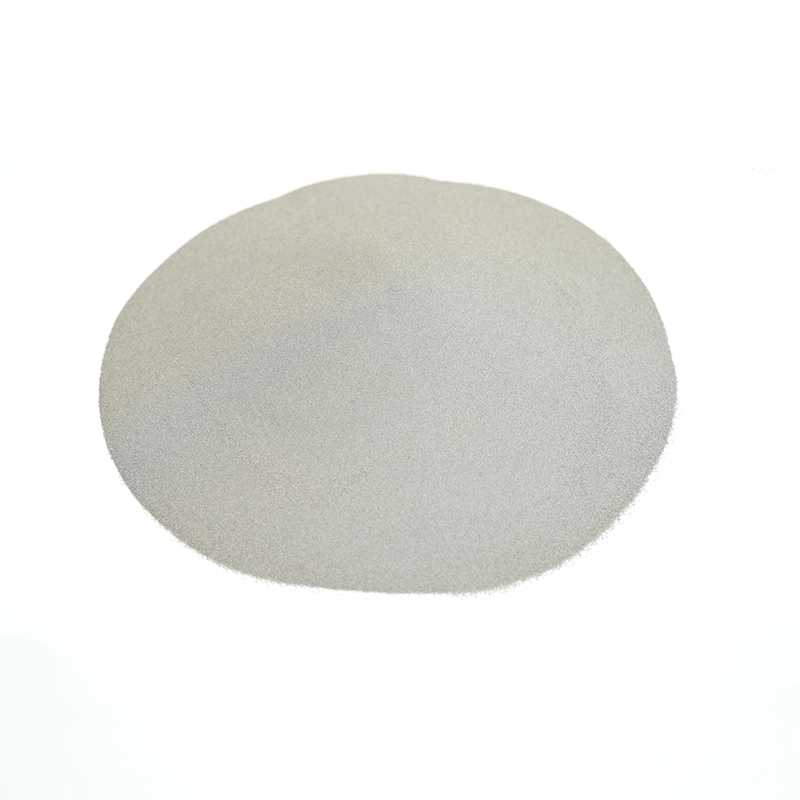
কোবাল্ট-ভিত্তিক খাদ পাউডার স্লাইডিং পরিধান এবং গরম কঠোরতায় বিশেষভাবে শক্তিশালী। যে অংশটি 500°C এর উপরে কাজ করে এবং ধাতু-থেকে-ধাতু যোগাযোগ অনুভব করে, নিয়ন্ত্রিত কার্বাইড সামগ্রী সহ একটি কোবাল্ট-ভিত্তিক গ্রেড প্রায়শই পছন্দের সূচনা পয়েন্ট। পাউডারটি অবশ্যই একটি সংকীর্ণ কণা আকারের উইন্ডো দিয়ে তৈরি করা উচিত যাতে এটি স্প্রে করার সময় বা ক্ল্যাডিংয়ের সময় সমানভাবে গলে যায়।
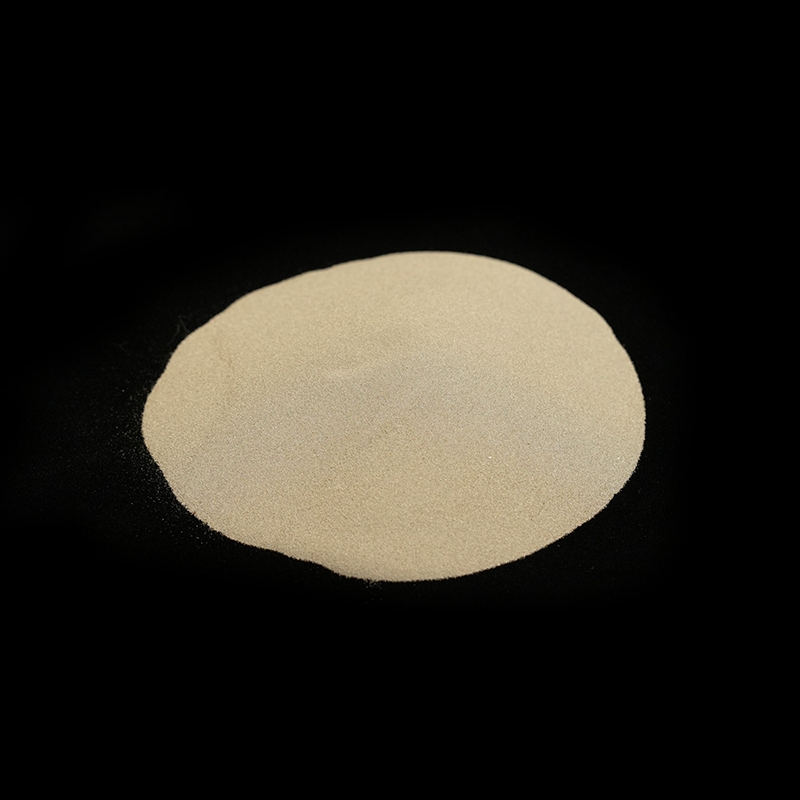
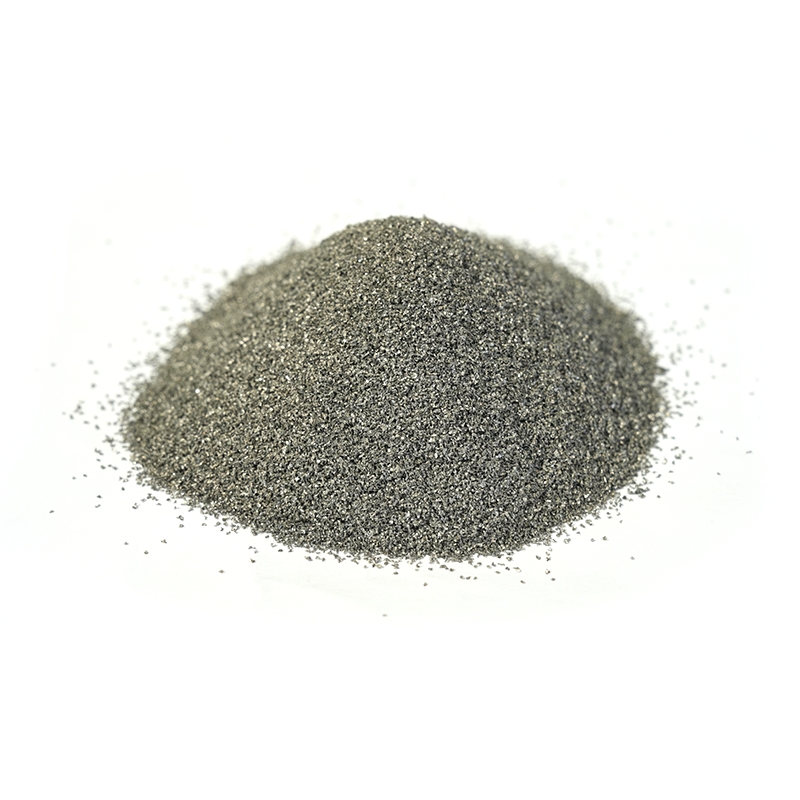
 উচ্চ-তাপমাত্রা পরিধান প্রতিরোধের জন্য কোবাল্ট-ভিত্তিক খাদ পাউডার কোবাল্ট-ভিত্তিক powder excels in sliding wear and hot hardness, making it ideal for components operating above 500°C with metal-to-metal contact. Its chromium and tungsten content provides corrosion and oxidation resistance, suitable for valve seats, turbine blades, and hot-forging dies. পণ্য দেখুন →
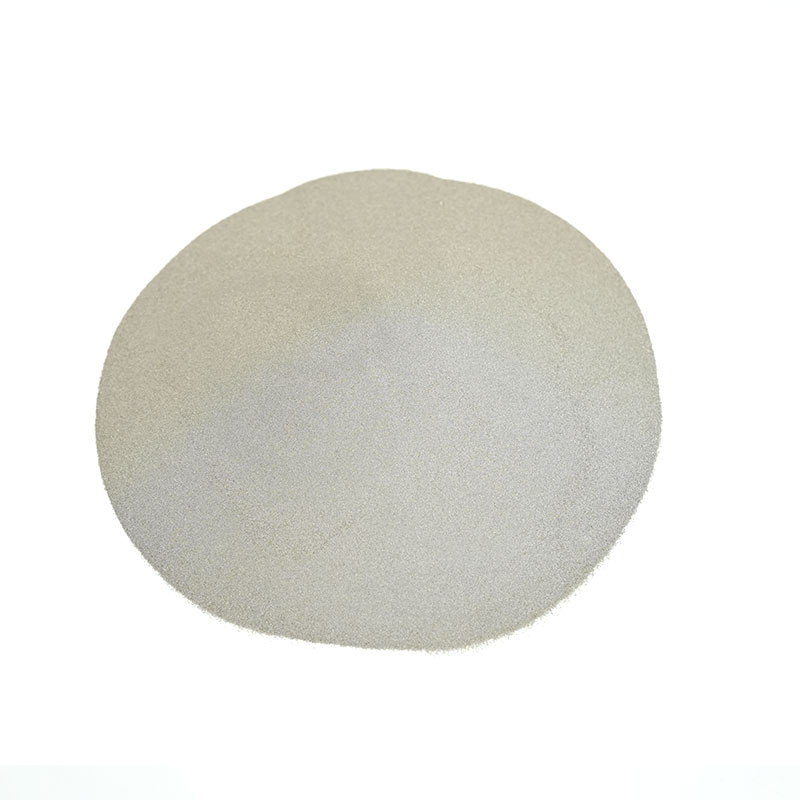
 নিকেল-ভিত্তিক খাদ পাউডার তালিকার সবচেয়ে নমনীয় পরিবার। এটি অক্সিডেশন প্রতিরোধের, জারা প্রতিরোধের, এবং উচ্চ-তাপমাত্রার শক্তির একটি ভাল ভারসাম্য প্রদান করে, যা লেজার ক্ল্যাডিং থেকে স্প্রে ওয়েল্ডিং পর্যন্ত বিস্তৃত প্রক্রিয়াগুলির জন্য উপযুক্ত করে তোলে। একটি নিকেল-ভিত্তিক পাউডার নির্দিষ্ট করার সময়, ক্রোমিয়াম এবং মলিবডেনামের বিষয়বস্তুর দিকে মনোযোগ দিন কারণ এই উপাদানগুলি পিটিং এবং ফাটলের ক্ষয় প্রতিরোধকে নিয়ন্ত্রণ করে।
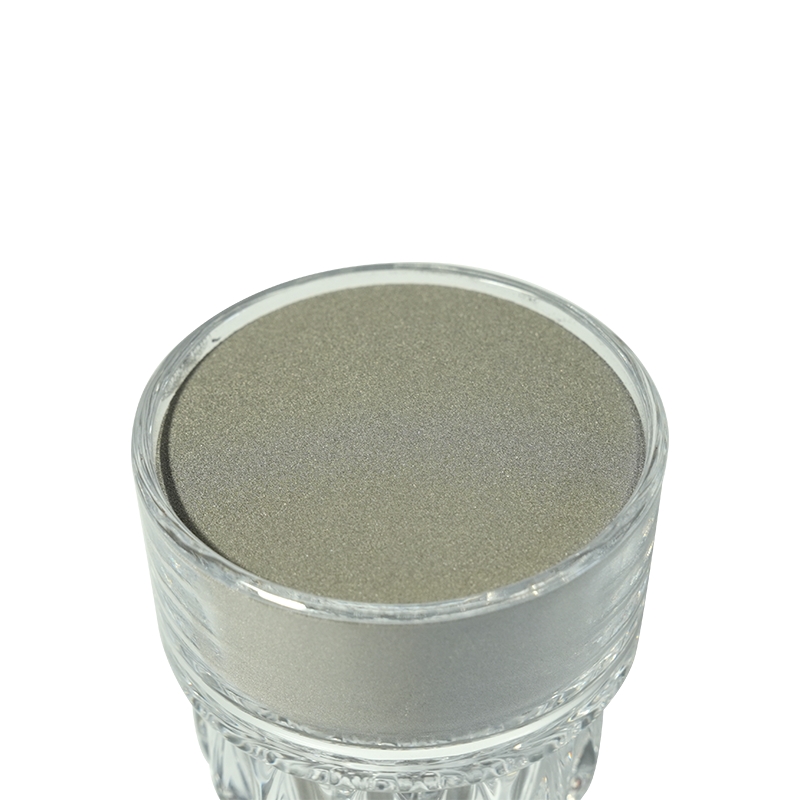
 বহুমুখী পৃষ্ঠ সুরক্ষার জন্য নিকেল-ভিত্তিক খাদ পাউডার নিকেল-ভিত্তিক powder balances oxidation, corrosion, and high-temperature strength, with hardness adjustable from 20 to 62 HRC. It suits laser cladding and spray welding, and is often used for glass molds, plungers, and screw flights, performing well up to 315°C. পণ্য দেখুন →
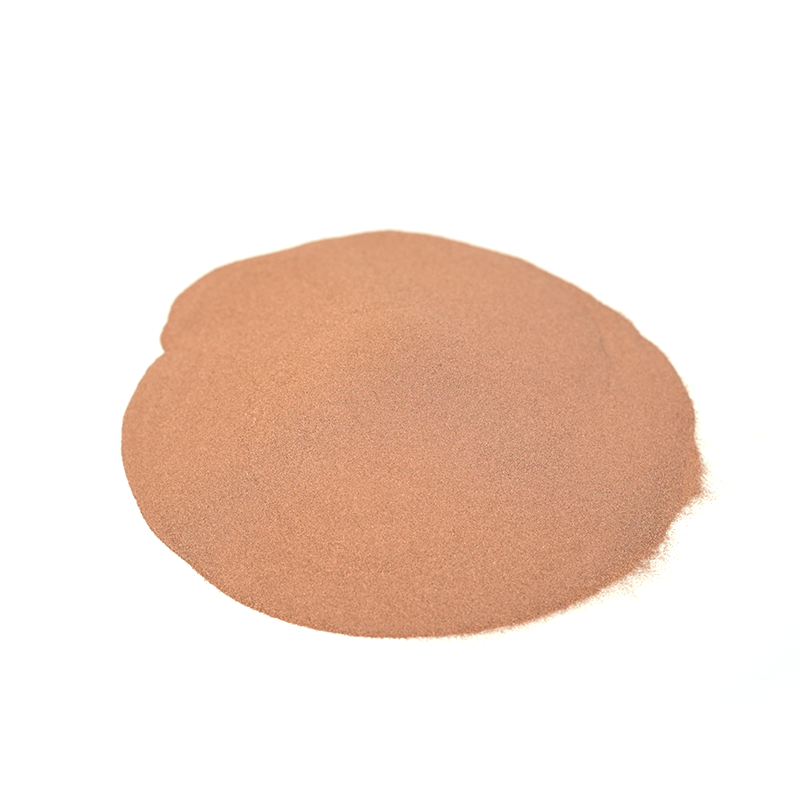
 আয়রন-ভিত্তিক পাউডারগুলি প্রায়শই অর্থনৈতিক কারণে বেছে নেওয়া হয়, তবে সেগুলি এমন অ্যাপ্লিকেশনগুলিতে ব্যবহার করা উচিত নয় যেখানে পৃষ্ঠটি গরম গ্যাস বা আক্রমণাত্মক অ্যাসিডের সংস্পর্শে আসবে। তামা-ভিত্তিক গুঁড়ো আরও বিশেষায়িত; একটি আবরণ একটি ঘর্ষণ জোড়া থেকে দূরে তাপ স্থানান্তর করা আবশ্যক যখন তাদের উচ্চ তাপ পরিবাহিতা তাদের দরকারী করে তোলে.
কণার আকার, প্রবাহযোগ্যতা, এবং অক্সিজেন বিষয়বস্তু: যে বিশেষত্ব গুরুত্বপূর্ণ
একা রচনা একটি ভাল আবরণ গ্যারান্টি দেবে না। কণার আকার বন্টন প্রয়োগ করা স্তরের ঘনত্ব এবং পৃষ্ঠের রুক্ষতার উপর সরাসরি প্রভাব ফেলে। লেজার ক্ল্যাডিংয়ের জন্য, একটি সাধারণ পরিসর হল -106/ 45 μm, যখন সুপারসনিক স্প্রে করার জন্য, -45/ 15 μm পরিসর সাধারণ। খুব মোটা একটি পাউডার রুক্ষ, ছিদ্রযুক্ত আমানত তৈরি করবে এবং খুব সূক্ষ্ম পাউডার ফড়িং দিয়ে খাওয়ানো কঠিন হয়ে উঠতে পারে।
প্রবাহযোগ্যতা হল প্রবাহ হার দ্বারা পরিমাপ করা হয়, এবং এটি একটি ব্যবহারিক নির্দেশক যে পাউডারটি ফিডারের মধ্য দিয়ে স্প্রে বন্দুক পর্যন্ত কতটা ধারাবাহিকভাবে ভ্রমণ করবে। একটি সরবরাহকারী যেটি শুধুমাত্র কণা আকারবিদ্যা ডেটা ছাড়াই বিশ্লেষণের একটি শংসাপত্র প্রদান করে তা দুর্বল প্রবাহযোগ্যতা লুকাতে পারে যা অসঙ্গত আবরণ বেধের দিকে পরিচালিত করে। এটি একটি প্রধান কারণ কেন একটি পাউডার তৈরি করা হয় তার নামমাত্র রসায়ন যতটা গুরুত্বপূর্ণ। এই ভেরিয়েবলগুলি কীভাবে শেষ-ব্যবহারের কার্যকারিতাকে আকার দেয় তা দেখতে, এটি পর্যালোচনা করার মতো কিভাবে খাদ পাউডার আধুনিক উত্পাদন পরিবর্তন করছে .
অক্সিজেন বিষয়বস্তু আরেকটি গুরুত্বপূর্ণ পরামিতি, বিশেষ করে নিকেল-ভিত্তিক সুপারঅ্যালয় পাউডারের জন্য যা সংযোজন উত্পাদনে ব্যবহৃত হয়। অনেক মহাকাশ-গ্রেড অ্যাপ্লিকেশনে, অক্সিজেন 200 পিপিএম বা তার কম সীমাবদ্ধ কারণ অক্সাইড কণার বৃদ্ধি চূড়ান্ত উপাদানটিকে দুর্বল করতে পারে। তাপীয় স্প্রে অ্যাপ্লিকেশনের জন্য, অক্সিজেন সহনশীলতা সাধারণত বেশি হয়, তবে এটি এখনও বিশ্লেষণের শংসাপত্রে উল্লেখ করা উচিত।
আবরণ পরিষেবা এবং কাস্টম পরিধান যন্ত্রাংশ মধ্যে খাদ পাউডার
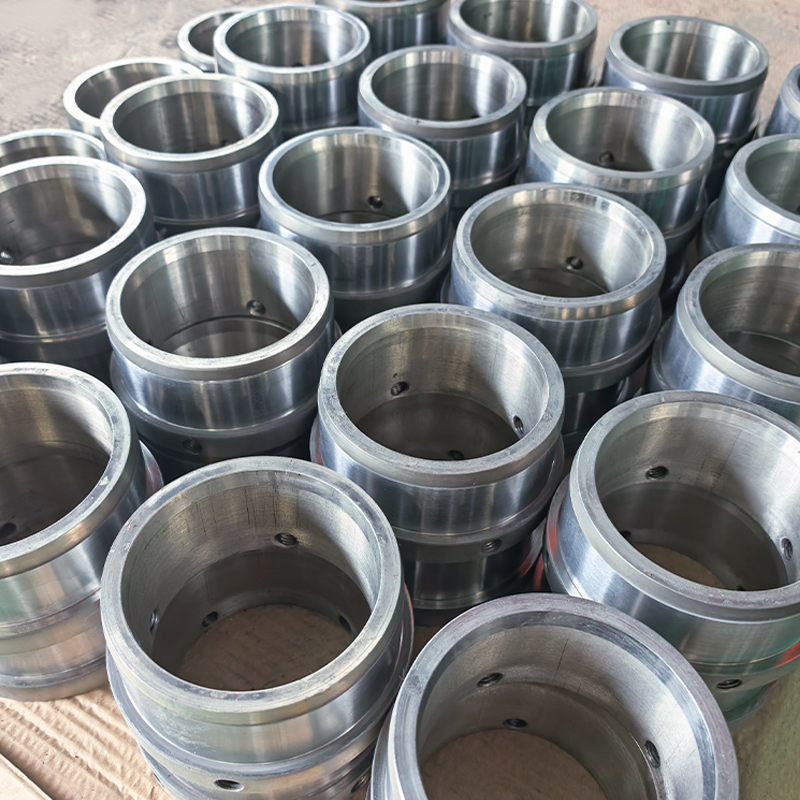
অনেক শিল্প ক্রেতাদের জন্য, খাদ পাউডারের আসল মূল্য একটি উপাদানে প্রয়োগ করার পরে এটির কার্যকারিতার মধ্যে থাকে। এখানেই সারফেস ইঞ্জিনিয়ারিং ছবিতে প্রবেশ করে। লেজার ক্ল্যাডিং এবং প্লাজমা ক্ল্যাডিং ফিউজ পাউডার একটি সাবস্ট্রেটে মেটালার্জিক্যাল বন্ড তৈরি করে, যখন অক্সিসিটাইলিন স্প্রে ওয়েল্ডিং এবং সুপারসনিক স্প্রে করা পুরু, প্রতিরক্ষামূলক স্তর তৈরি করে। একটি ভালভাবে মিলে যাওয়া পাউডার এবং প্রক্রিয়া একটি আনকোটেড বা খারাপভাবে প্রলিপ্ত অংশের তুলনায় একটি রোলার, শ্যাফ্ট বা স্ক্রুর পরিষেবা জীবনকে কয়েকগুণ বাড়িয়ে দিতে পারে।
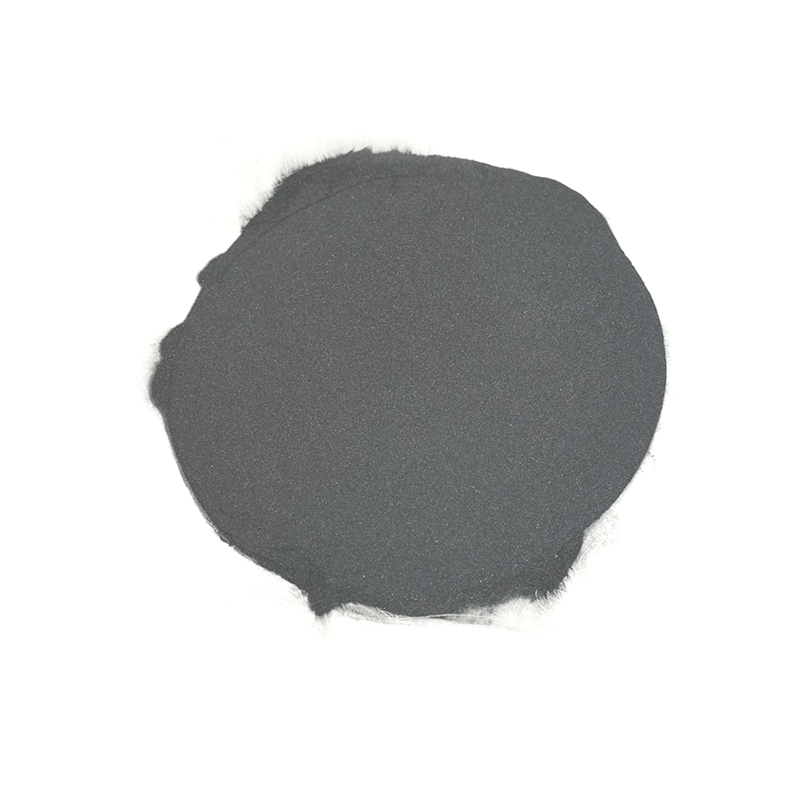
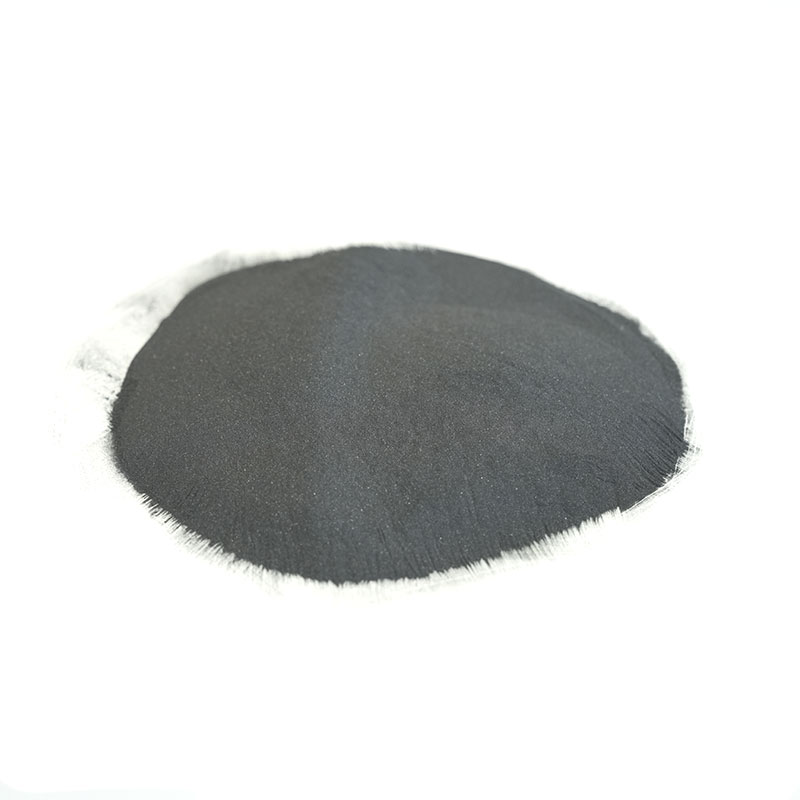 ঘষিয়া তুলিয়া ফেলিতে সক্ষম পরিধান সুরক্ষা জন্য টংস্টেন কার্বাইড তাপ স্প্রে পাউডার এই যৌগিক কার্বাইড পাউডার শক্ততার জন্য একটি ধাতব বাইন্ডারের সাথে টাংস্টেন কার্বাইডের কঠোরতাকে একত্রিত করে, কার্যকরভাবে রোলার এবং শ্যাফ্টে ঘষিয়া তুলিয়া ফেলিতে সক্ষম পরিধান প্রতিরোধ করে। HVOF এবং লেজার ক্ল্যাডিংয়ের জন্য বিভিন্ন গ্রেডে উপলব্ধ, এটি উচ্চ লোড এবং গুরুতর ক্ষয়ের অধীনে পরিষেবা জীবন প্রসারিত করে। পণ্য দেখুন →
 টংস্টেন কার্বাইড তাপ স্প্রে পাউডার ঘষিয়া তুলিয়া ফেলিতে সক্ষম পরিধান থেকে রোলার রক্ষা করার জন্য সবচেয়ে কার্যকর উপকরণ এক. এটি একটি ধাতব বাইন্ডারের সাথে টাংস্টেন কার্বাইডের কঠোরতাকে একত্রিত করে যা কিছু শক্ততা প্রদান করে, যা লেপটিকে কাটা এবং গজিং প্রতিরোধ করার সময় উচ্চ লোড সহ্য করতে দেয়। একটি কাস্টম রোলার অ্যাপ্লিকেশনে, লেপের বেধ এবং কঠোরতা নির্দিষ্ট পরিধান প্রক্রিয়ার সাথে সুর করা যেতে পারে।
যে সরবরাহকারীরা তাদের নিজস্ব আবরণ পরিষেবাগুলিও পরিচালনা করে তারা প্রায়শই সঠিক পাউডারের সুপারিশ করার জন্য আরও ভাল অবস্থানে থাকে কারণ তারা দেখে যে উপাদানটি আসল উপাদানগুলিতে কীভাবে আচরণ করে। পাউডার থেকে প্রলিপ্ত অংশে এই একীকরণ এমন একটি গ্রেড নির্বাচন করার ঝুঁকি হ্রাস করে যা রাসায়নিকভাবে সঠিক কিন্তু উপলব্ধ সরঞ্জামগুলির সাথে প্রয়োগ করা অসম্ভব।
খাদ পাউডার জন্য ব্যবহারিক সংগ্রহ চেকলিস্ট
আপনি যখন একটি পাউডার সরবরাহকারীর কাছে একটি নির্দিষ্ট প্রয়োজনীয়তা পাঠান, তখন নিম্নলিখিত পয়েন্টগুলি তদন্ত বা ক্রয় আদেশে অন্তর্ভুক্ত করা উচিত। আপনি এই পরামিতিগুলিকে আরও সুনির্দিষ্টভাবে সংজ্ঞায়িত করবেন, ব্যয়বহুল ট্রায়াল রান এবং প্রত্যাখ্যাত ব্যাচগুলি এড়ানো তত সহজ।
- নামমাত্র রাসায়নিক গঠন এবং প্রতিটি সংকর উপাদানের জন্য গ্রহণযোগ্য সহনশীলতা পরিসীমা।
- D10, D50, এবং D90, বা একটি চালনী পরিসীমার মতো নির্দিষ্ট কাট পয়েন্ট সহ কণার আকার বিতরণ।
- সর্বাধিক অক্সিজেন সামগ্রী এবং এটি পরিমাপ করতে ব্যবহৃত পদ্ধতি।
- প্রবাহযোগ্যতা, আপাত ঘনত্ব এবং কোনো বিশেষ হ্যান্ডলিং প্রয়োজনীয়তা।
- ব্যাচ-টু-ব্যাচ সামঞ্জস্যের প্রয়োজনীয়তা এবং সরবরাহকারীর মান নিয়ন্ত্রণ পদ্ধতি।
- ডেলিভারি সময়, ন্যূনতম অর্ডারের পরিমাণ এবং একটি পরীক্ষার নমুনার উপলব্ধতা।
এই ভেরিয়েবলগুলিকে শুরু থেকেই নিয়ন্ত্রণ করা লেজার ক্ল্যাডিং হেড, স্প্রে বন্দুক বা পাউডার বিছানায় পাউডার কীভাবে আচরণ করবে তা অনুমান করা সম্ভব করে তোলে। সেই ভবিষ্যদ্বাণীটিই যা একটি পণ্য থেকে খাদ পাউডারকে একটি নির্ভরযোগ্য প্রকৌশল উপাদানে পরিণত করে৷